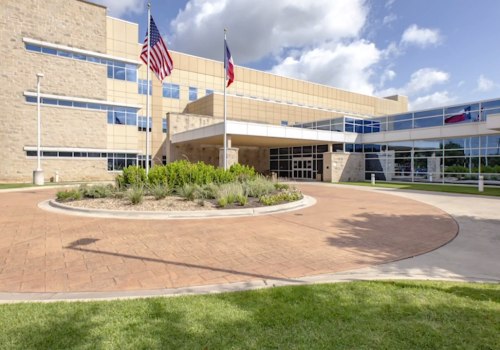
Rehabilitation facilities across many growing communities are expanding rapidly as demand increases for physical therapy, occupational therapy, sports recovery, post-surgical rehabilitation, and long-term patient care services. Population growth, aging demographics, workplace injury recovery programs, and increased awareness of specialized rehabilitation treatments have all contributed to the expansion of medical rehabilitation centers in recent years. As these facilities continue growing, many organizations are relocating into larger buildings, opening additional treatment centers, or renovating existing locations to accommodate more patients and updated technology. While patients often focus on the healthcare services provided inside these facilities, there is also a major operational side to rehabilitation expansion that involves transporting highly specialized medical equipment safely and efficiently. The growth of rehabilitation facilities has created increasing demand for organized medical equipment relocation services capable of handling delicate machines, therapy systems, and patient-care infrastructure with precision and care.
Why Medical Equipment Relocation Is So Complex
Unlike standard office or commercial moves, rehabilitation facilities contain highly specialized equipment that is often expensive, sensitive, and essential for patient treatment. Physical therapy centers may use advanced rehabilitation machines, treadmills, hydrotherapy systems, mobility training equipment, and diagnostic technology that require careful disassembly and transportation procedures. Occupational therapy programs may involve customized workstations, therapy devices, adaptive equipment, and patient-training systems designed for highly specific treatment plans. Many facilities also rely on medical beds, lifting equipment, electrical therapy systems, and computerized monitoring devices that cannot simply be packed and moved like ordinary furniture. Improper handling during relocation can result in damaged equipment, interrupted patient services, and costly operational delays. Because rehabilitation centers frequently operate under strict healthcare regulations and patient scheduling demands, equipment relocations must be carefully coordinated to minimize downtime and ensure treatment areas are ready for use as quickly as possible after the move.
Facility Expansion and Patient Demand Increase Relocation Needs
As rehabilitation facilities expand to meet growing patient demand, equipment movement often becomes part of larger renovation or expansion projects. Some centers temporarily relocate departments during construction phases, while others open satellite clinics in new communities to improve patient access. These projects frequently involve moving equipment between multiple locations while maintaining ongoing operations for existing patients. Timing is especially important because therapy schedules, insurance coordination, and healthcare staffing often leave very little flexibility for extended service interruptions. Facilities may also require temporary storage solutions for treatment equipment, office furniture, therapy supplies, and patient-care systems while renovations are being completed. In larger projects, transportation teams may need to coordinate with contractors, healthcare administrators, and medical technicians to ensure equipment is relocated safely and reinstalled properly. Trusted providers such as Mountain Movers can help rehabilitation facilities manage these complex transitions by assisting with the transportation of sensitive medical equipment, therapy systems, and large treatment infrastructure while supporting organized relocation timelines.
Efficient Relocation Supports Better Patient Care
The continued growth of rehabilitation services means medical equipment relocation needs will likely continue increasing as facilities modernize and expand their operations. Efficient logistics play an important role in helping rehabilitation centers maintain continuity of care while minimizing disruptions during transitions into new or upgraded spaces. Successful relocations depend on careful inventory management, secure transportation procedures, equipment protection, and detailed scheduling coordination that keeps patient treatment services running as smoothly as possible. Although patients primarily experience the finished therapy environment once services resume, a large amount of logistical planning happens behind the scenes to ensure equipment arrives safely and remains fully operational after the move. Organized relocation support helps healthcare providers focus more on patient recovery and less on operational complications during periods of growth or facility improvement. In many ways, professional medical equipment transportation has become an essential part of supporting the continued expansion of rehabilitation services and improving access to specialized care in growing communities.